
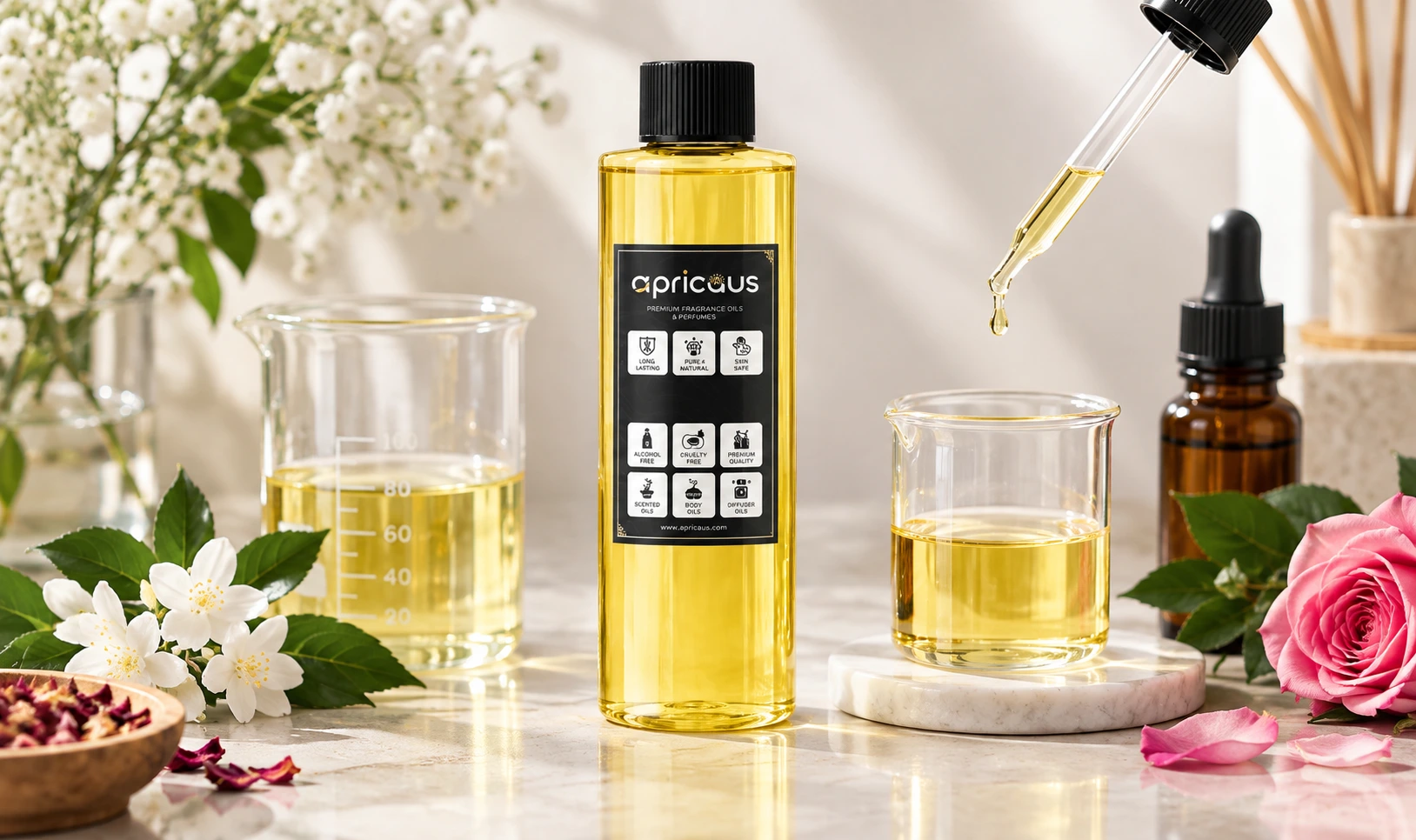
Yes, if you use it the right way. DPG cutting oil (dipropylene glycol) doesn't change how a fragrance smells. What it does is make concentrated oils easier to apply, help them spread evenly on skin and in warmers, and get more bottles out of every ounce. The ratio is what matters most. Cut too little and the oil stays thick and sharp. Cut too much and the scent goes flat.
If you blend, rebottle, or sell perfume oils, this guide explains what DPG does, where it helps, where it doesn't, and how to mix it properly.
What Is DPG Cutting Oil?
DPG is a clear, thin liquid that perfumers have used for decades as a diluent, often called a "cutting" agent. Our DPG is fragrance grade and cosmetic grade. It has no odor and no color, so it won't add its own smell to your blend or change the natural shade of your oil.
It also evaporates slowly, which means it doesn't flash off the way alcohol does, and it mixes easily with most concentrated fragrance oils. That last point matters more than people expect. Some carriers separate or turn cloudy after a few days on the shelf, while DPG stays blended.
How DPG Improves Fragrance Oil Performance?
"Performance" means different things to different buyers. Here are the areas where DPG makes a real difference.
-
Smoother Application
Pure concentrates can be thick, sticky, and harsh on the first sniff. A small amount of DPG thins the oil so it glides out of a roller and spreads across the skin instead of sitting in one heavy spot. A strong oud or musk fragrance oils often feels softer and far easier to wear after it has been cut.
-
Better Balance Between Notes
A very concentrated oil can push the top notes so hard that the heart of the scent gets buried. Diluting gives each layer some room, so you notice the full structure of the fragrance as it dries down on your skin.
-
More Bottles From the Same Oil
This is the main reason sellers keep DPG on hand. Mixing one part oil with one part DPG doubles your volume. For resellers, barbers, and small shops, that means more units per ounce of fragrance without switching to a cheaper oil or lowering the quality your customers expect.
-
The Same Result Every Batch
Because DPG has no scent and a steady texture, the same ratio gives you the same blend every time. Customers who come back for a second bottle get exactly what they loved the first time, and that consistency is what builds repeat orders.
-
Longer Life in Warmers and Burners
DPG's slow evaporation helps a diluted oil last longer in an electric warmer or aroma burner instead of burning off within the first hour. For home scenting, it pairs well with our fragrance oils for warmers.
Where DPG Won't Help?
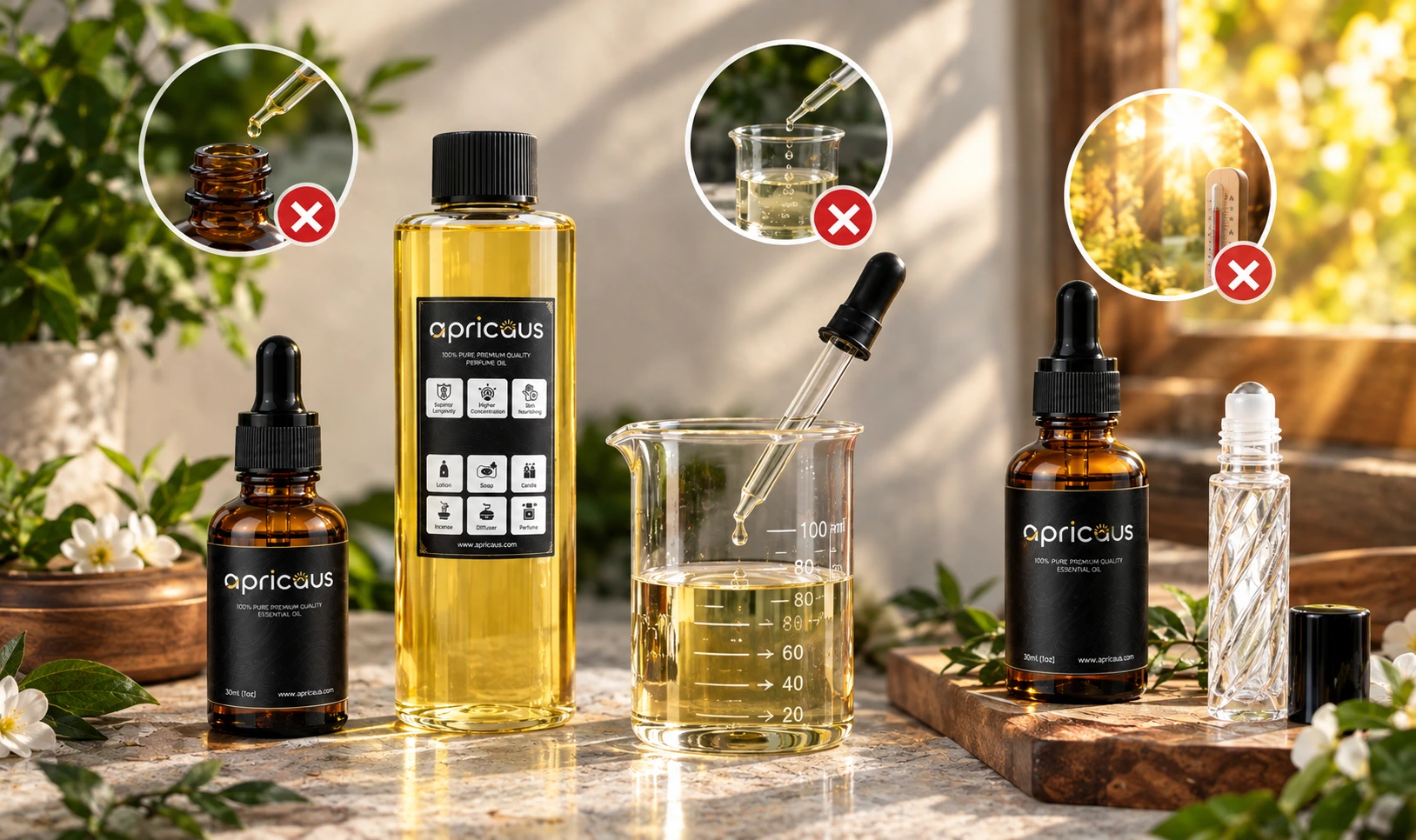
It's worth being honest about the limits. DPG dilutes, so it won't turn a weak oil into a strong one. Always start with a good concentrate. Over-cutting is the most common mistake we see, because past a certain point the scent gets thin and fades quickly. And DPG won't protect a fragrance from poor storage. Heat and direct sunlight will still break it down, whether it's diluted or not.
How to Mix DPG With Fragrance Oils?
Suggested Starting Ratios (Fragrance Oil to DPG)
-
Strong roll-on perfume oil: 3 to 1
-
Everyday roll-on, or "doubling" your oil: 1 to 1
-
Light body oil or oil warmer: 1 to 2
Treat these as a starting point rather than a fixed rule. Dense bases like amber and oud can handle more DPG than light citrus or fresh blends.
Simple Mixing Method
Measure your fragrance oil into a clean glass beaker, then add DPG a little at a time while stirring gently. Transfer the finished mixture to a clean bottle and seal it tightly. Allow to rest for 24 to 48 hours to settle fully then perform a skin test. Write down the ratio of each batch so you can tweak it next time and repeat the ones that work.
DPG works with nearly everything in our catalog, but some categories benefit more than others. Our amber, oud and musk oils are thick and resinous, so they gain the most from thinning. Exotic fragrance oils tend to be layered blends that open up nicely after cutting.
Rose and jasmine from our floral fragrance oils come across softer and more natural once diluted. With fruity fragrance oils, use a lighter hand and a lower dilution, since these scents are brighter to begin with.
For signature scents, bold picks from our fragrance oils for men and softer blends from our fragrance oils for women both cut well. Not sure where to start? Our top selling oils are customer favorites and a safe first choice.
Packaging Your DPG Blends
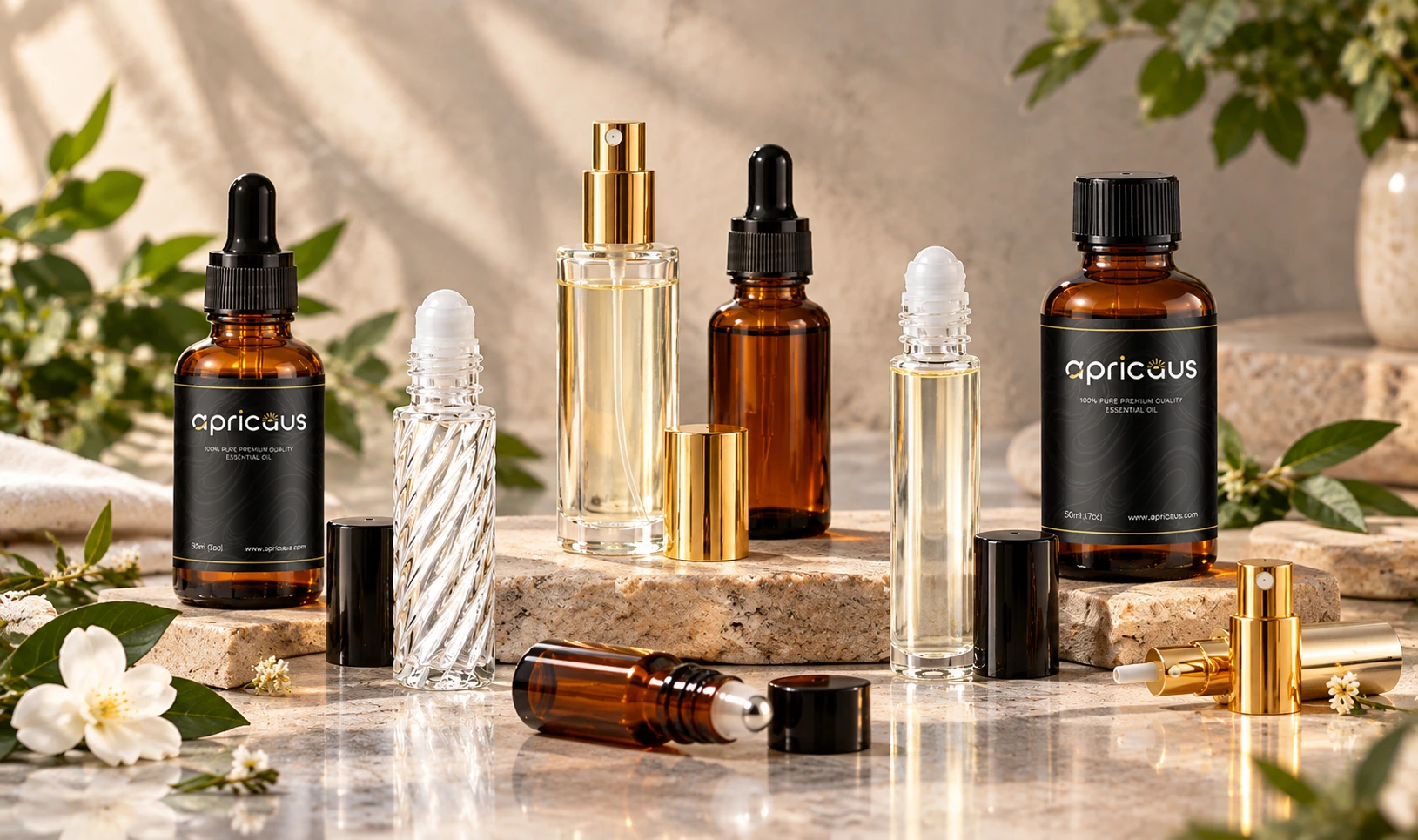
Once your blend is ready, the right bottle keeps it fresh and easy to use. Roll-on bottles are the go-to for pulse-point perfume oils, while atomizer spray bottles suit lighter mixes. Dropper bottles are handy for precise measuring and for customer testers.
If you're building your own product line, browse our full range of packaging supplies to match bottles, caps, and closures.
Sizes That Fit Your Workflow
We stock DPG in two sizes. The 1 lb bottle is a good fit for hobbyists, test batches, and trying out new ratios. The 8 lb size is built for perfumers, resellers, and shops running regular production.
Ready to start blending? Order DPG Fragrance Grade Dipropylene Glycol in the size that suits you and make your next batch go further.
Start Blending Smarter Today
DPG won't replace a good fragrance, but it helps a good fragrance perform better on skin, in warmers, and on your bottom line. Pick
your favorite scents from our fragrance oils collection, take a look at our new arrivals, grab a bottle of DPG, and mix your first batch this week.
FAQs
1. What is DPG used for in perfume oils?
DPG is used to dilute concentrated fragrance oils. It thins the oil for easier application, softens harsh openings, and increases volume without adding any scent of its own.
2. Does DPG change the smell of fragrance oil?
No. Fragrance-grade DPG is odorless and colorless. At sensible ratios, your blend smells the same as the original oil, only slightly lighter in intensity.
3. What is the best ratio of DPG to fragrance oil?
A 1 to 1 ratio is the most common starting point for roll-on perfume oils. For a stronger oil, use 3 parts fragrance to 1 part DPG. For a light body oil, try 1 part fragrance to 2 parts DPG.
4. Is DPG better than fractionated coconut oil for perfume?
For most perfume oils, yes. DPG is thinner, has no odor, mixes cleanly with most fragrance oils, and leaves less of an oily feel on the skin. Fractionated coconut oil is a better choice when you want a richer, more moisturizing body oil.
5. Can I buy DPG in bulk for my business?
Yes. Our 8 lb size is made for regular production. If you need larger wholesale quantities, contact our team and we'll put together an order that fits your volume.