
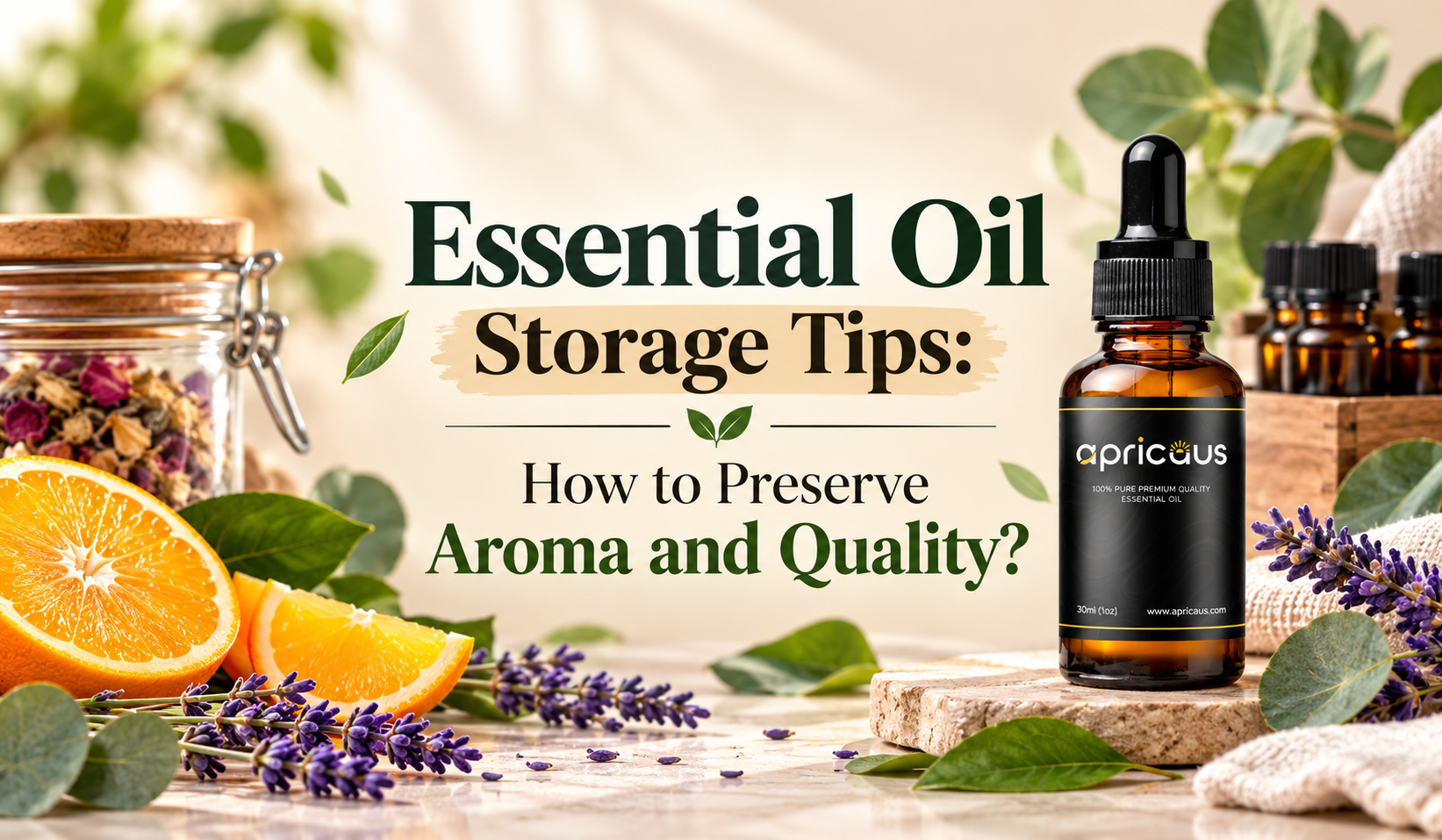
Store essential oils in tightly capped amber or cobalt glass bottles, kept upright in a cool, dark place between 50°F and 70°F (10-21°C), away from sunlight, heat and humidity. Stored this way, the steam-distilled oils in our essential oils collection keep their full aroma and potency for two to three years. Stored in a half-empty clear bottle on a bathroom shelf, the same lavender can smell flat within six months.
Why Do Essential Oils Lose Their Aroma?
Essential oils lose aroma through oxidation - oxygen reacting with terpenes and turning them into compounds that smell sour and can irritate skin. Four conditions drive it.
-
Oxygen - the leading cause. Every opening lets air in, and the reaction continues even after you close the cap.
-
Light - UV breaks apart the delicate molecules that carry scent. Clear glass offers almost no protection.
-
Heat - chemical reaction rates roughly double for every 10°C rise. A warm shelf ages oil fast.
-
Moisture - humidity clouds pure oils and triggers rancidity in carrier blends.
Pure essential oils are concentrated plant chemistry, not perfume. Treat a bottle the way you’d treat good olive oil.
What Is the Best Container for Storing Essential Oils?
Amber or cobalt glass with a tight phenolic cap. Glass is non-reactive, and dark glass filters the UV wavelengths that degrade scent compounds.
Why not plastic?
Undiluted essential oils dissolve most plastics. The plastic leaches into the oil and the oil weakens the bottle. We tested this years ago on a sample run and never repeated it.
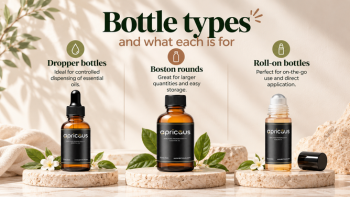
Bottle types and what each is for
-
Dropper bottles - dispense drop by drop without exposing the batch. Our dropper bottles run from sampling sizes up to retail.
-
Boston rounds - the standard for a working collection. See our Boston round bottles.
-
Roll-on bottles - best for diluted blends you carry with you. Browse roll-on bottles.
-
Aluminum bottles - block light completely, the correct choice for bulk volumes. Check our aluminum bottles.
Don’t overlook the cap
A worn cap undoes everything else. Rubber dropper bulbs degrade against neat oil, so store with a solid cap on and fit the dropper only when dispensing. Replace tired closures instead of risking a batch - we stock matching caps and closures for every bottle we sell.
Where Should You Store Essential Oils at Home?
In a closed, cool, dark space - a cupboard, drawer or wooden storage box in an interior room.
Avoid these spots:
-
Bathroom cabinets - steam and daily temperature swings
-
Kitchen windowsills and anywhere above a stove
-
Car glove boxes, especially in summer
-
Beside a radiator or an electric oil warmer
Always store upright. On its side, oil sits against the cap liner, wears it down, and eventually seeps.
Should You Refrigerate Essential Oils?
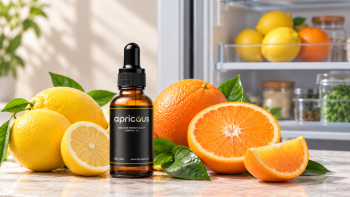
Citrus oils, yes - most others, no need. Cold slows oxidation, and citrus turns fastest of any category. If you use lemon essential oil or sweet orange essential oil only occasionally, a sealed box in the fridge adds months of life. Bring the bottle to room temperature before opening so condensation doesn’t form inside.
How Do You Stop Essential Oils From Oxidizing?
Reduce the air space in the bottle. A half-empty bottle ages roughly twice as fast as a full one.
-
Decant into a smaller bottle once it drops below half
-
Cap immediately after pouring - don’t leave it open while you blend
-
Fit an orifice reducer so only a few drops meet air
-
Never pour unused oil back into the master bottle
-
Label every bottle with the oil name and the date you opened it
That last habit costs nothing and removes all the guesswork later.
How Long Do Essential Oils Last?
1. Citrus Essential Oils
-
Examples: Lemon, Sweet Orange, Tangerine
-
Shelf Life: 1–2 years
2. Herbaceous & Minty Essential Oils
-
Examples: Peppermint, Rosemary, Lemongrass
-
Shelf Life: 2–3 years
3. Floral & Leaf Essential Oils
-
Examples: Lavender, Tea Tree, Clove Leaf
-
Shelf Life: 2–4 years
4. Resin & Wood Essential Oils
-
Examples: Frankincense, Patchouli
-
Shelf Life: 4–8 years
Patchouli is the exception to every rule here - it genuinely improves with age.
How Should You Store Carrier Oils and Blends?
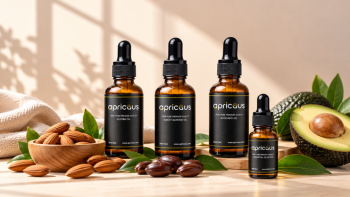
A diluted blend follows the shelf life of its carrier, not the essential oil. Sweet almond and avocado go rancid long before your lavender does.
Jojoba is a liquid wax ester rather than a true oil, which is why it stays stable for years and makes the safest base for anything you want to keep. Browse our natural oils and butters if you’re building a kit.
Adding a few drops of vitamin E oil to a carrier blend slows rancidity noticeably. It’s the cheapest insurance in the cabinet.
How Can You Tell If an Essential Oil Has Gone Bad?
Four signs, any one of which means stop using it on skin:
-
The scent reads sharp, sour or faintly like crayons
-
The liquid looks cloudy or thicker than before
-
It stings or reddens skin that it never bothered previously
-
A citrus oil has darkened and turned syrupy
Oxidized oils are a documented cause of contact dermatitis, which is why dermatological guidance advises against topical use of old citrus and pine oils. Repurpose a turned bottle in a spray or atomizer bottle for surface cleaning, or discard it.
Safety note: this is general handling guidance, not medical advice. Always dilute before skin contact, patch test any new oil, and keep every bottle out of reach of children and pets.
Essential Oil Storage Checklist
-
Amber or cobalt glass - never plastic
-
Cap tight, bottle upright
-
Cool, dark, dry, below 70°F
-
Citrus in the refrigerator
-
Decant once half empty
-
Date every single label
Ready to Buy Pure Oils and the Right Packaging in One Place?
Good storage starts with the right packaging. We supply pure, undiluted oils and the bottles and closures to keep them in - so you can order both together and stop losing product to the wrong container.
Shop the full essential oils range now, or if you’re buying volume for a soap line, salon or retail shelf, message our team about wholesale quantities and bulk packaging. We reply on WhatsApp the same day.
FAQs
1. Do essential oils expire?
Essential oils don’t spoil like food, but they oxidize. Most lose their aroma and skin-safety within one to four years depending on the botanical. Citrus is shortest-lived at 1-2 years; resins and woods last 4-8 years.
2. Can I store essential oils in plastic bottles?
No. Undiluted essential oils degrade most plastics, and the plastic then leaches back into the oil. Use amber glass or aluminum. Blends diluted below roughly 5% can sit in PET for short periods.
3. Is the refrigerator safe for essential oils?
Yes, especially for citrus oils. Keep them in a sealed container so they don’t absorb food odors, and let the bottle warm to room temperature before opening to avoid condensation.
4. Why does my essential oil smell different from the last bottle?
Either it has oxidized from air exposure, or it came from a different harvest. Natural crops vary by season, region and distillation batch. A sour note means oxidation; a simply different note usually means a new crop.
5. How should I store essential oils in bulk?
Use Apricaus’s aluminum or amber glass in the largest practical size, keep it sealed in a cool dark store room, and decant working quantities into smaller bottles. Repeatedly opening a master container is what ruins bulk stock.