
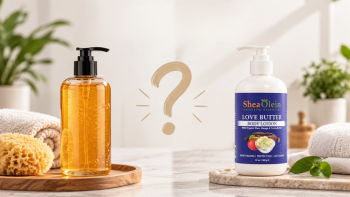
No. Shower gel is a rinse-off cleanser, and body lotion is a leave-on moisturizer. Swapping one for the other does not hydrate your skin. Leaving shower gel on dry skin can sting, tighten, flake, and in some cases trigger real irritation. They sit at opposite ends of the same routine, and both are needed.
If you have ever stood in the bathroom with an empty lotion bottle and wondered whether a squirt of body wash would do the job, this guide clears it up.
Why Do People Ask This Question in the First Place?
The confusion is fair. Both products come in a bottle, both feel slippery, both smell good, and both are marketed as "moisturizing." Some body washes even contain shea butter, coconut oil, or goat milk, so it seems logical that rubbing one into dry skin should work.
The difference is not in the ingredients list alone. It is in how each product is designed to behave once it touches your skin.
What Is Shower Gel Built to Do?
A body wash is a cleanser. Its job is to lift sweat, oil, dead skin, and grime, then leave with all of it when you rinse.
To do that, it relies on:
- Surfactants that grab oil and dirt so water can wash them away
- A high water content, which keeps the formula pourable and easy to spread
- Conditioning agents that soften the cleansing action so skin does not feel stripped
- A pH tuned for rinsing, not for sitting on skin for hours
At Apricaus, the natural shower gels and body washes are made with goat milk, African black soap, mango butter, coconut oil, and lemongrass, and every formula is paraben-free and made for daily use. There is also a sulfate-free unscented option for anyone whose skin reacts to fragrance. Those nourishing ingredients make the wash gentler while it cleans, but they do not turn it into a leave-on treatment. Shop the full body wash range and start your routine right.
What Does Body Lotion Do That Shower Gel Cannot?
Lotion is a leave-on product. It stays on the skin and works over hours, not seconds.
A well-built lotion does three things at once:
- Humectants pull water into the upper layers of skin
- Emollients smooth the rough, flaky surface
- Occlusives form a light seal so that water does not evaporate away
The natural body lotions from Apricaus use shea butter, goat milk, cocoa butter, and essential oils, in formulas like patchouli, peppermint, coconut, and goat milk, plus an unscented cocoa and shea option. They absorb quickly and do not leave a greasy film, which is exactly what you want from something you wear all day. Pick your formula and lock in moisture after every shower.
Here is the key point: shower gel has no occlusive layer worth speaking of. Without that seal, the water in the formula evaporates and takes some of your skin's own moisture with it. You end up drier than when you started.
Is It Harmful to Leave Shower Gel on Your Skin?
For most people, one accidental application will not cause damage. Rinse it off, moisturize, and move on. Making a habit of it is a different story.
What can happen when body wash is left on unrinsed skin:
- Tightness and itching within minutes as the surfactants keep working on your skin's natural oils
- Dryness and flaking, since cleansing agents were never meant to stay in contact with skin
- Barrier disruption, which makes skin more reactive to weather, fabric, and other products
- Redness or a rash in sensitive areas, especially the chest, inner arms, and behind the knees
- Stinging on shaved or broken skin, where surfactants penetrate far more easily
- Clogged pores or breakouts on the back and shoulders, from a film that was never designed to sit there
Anyone with eczema, psoriasis, very dry skin, or a history of contact dermatitis should treat this as a firm no. So should parents thinking about it for a child's skin, which is thinner and loses water faster.
What Should You Use When You Run Out of Lotion?
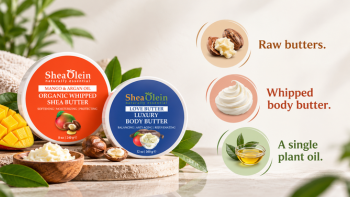
If the lotion bottle is empty tonight, reach for something meant to stay on the skin:
- Raw butters. Shea, mango, and cocoa butter are pure leave-on emollients and work well on elbows, knees, heels, and hands. Stock up on raw butters so you always have a backup.
- Whipped body butter. A rich body butter suits very dry skin and cold weather, when a light lotion is not enough.
- A single plant oil. Jojoba, argan, or coconut oil applied to damp skin will hold moisture in until you restock.
None of these are cleansers. That is the whole point.
The Order That Actually Works
Think of it as two steps that depend on each other.
- Cleanse. Use warm water, not hot. Hot water strips oils faster than any wash does. If you prefer a bar, the handcrafted soaps are a solid swap for gel.
- Pat dry, do not rub. Leave skin slightly damp.
- Moisturize within three minutes. Damp skin traps far more water under a lotion layer than fully dry skin does.
- Layer fragrance last. Moisturized skin holds scent longer and projects better, which is why perfume oil goes on top of lotion, never underneath.
Matching your wash and lotion helps too. Goat milk wash with goat milk lotion, shea with shea, lemongrass with lemongrass. The scent stays consistent and the ingredients complement each other instead of competing.
How to Choose the Right Pair for Your Skin?
- Dry or flaky skin: shea butter or cocoa butter formulas in both steps
- Sensitive or reactive skin: unscented and sulfate-free options
- Oily or acne-prone skin: lightweight lotions with fast absorption, applied thinly
- Dull or uneven texture: African black soap or lemongrass with tea tree for the wash, followed by a butter-based lotion
- Winter dryness: switch from lotion to body butter for the season
So, Should You Ever Swap the Two?
Shower gel and body lotion are not interchangeable, and using one as the other works against your skin rather than for it. Cleanse with something gentle enough for daily use, then seal that clean skin with a lotion or butter while it is still damp. Two steps, under a minute of extra effort, and a completely different result by the end of the day.
Build the ritual with Apricaus skin care. Cleanse, seal, and wear your scent the way it was meant to sit.
FAQs
1. Can I use shower gel as a moisturizer in an emergency?
No. It will feel slick for a moment, then leave skin drier than before. Use a plant oil or a raw butter instead, both of which are made to stay on the skin.
2. What happens if I accidentally leave body wash on my skin?
Usually nothing serious. You may feel tightness or itching. Rinse with lukewarm water and apply a moisturizer. See a doctor only if redness or a rash persists past a day or two.
3. Are moisturizing body washes enough on their own?
No. A moisturizing wash makes cleansing gentler, so your skin is in better shape when you step out. It still cannot replace a leave-on lotion, because most of the formula goes down the drain.
4. Can I mix shower gel into my lotion to stretch it?
Do not do it. You dilute the lotion, introduce cleansing agents into a leave-on product, and risk irritation. If you need to stretch a lotion, mix in a few drops of a plant oil instead.
5. How soon after showering should I apply body lotion?
Within about three minutes, while the skin is still damp. That window makes a noticeable difference in how hydrated your skin feels by evening.